
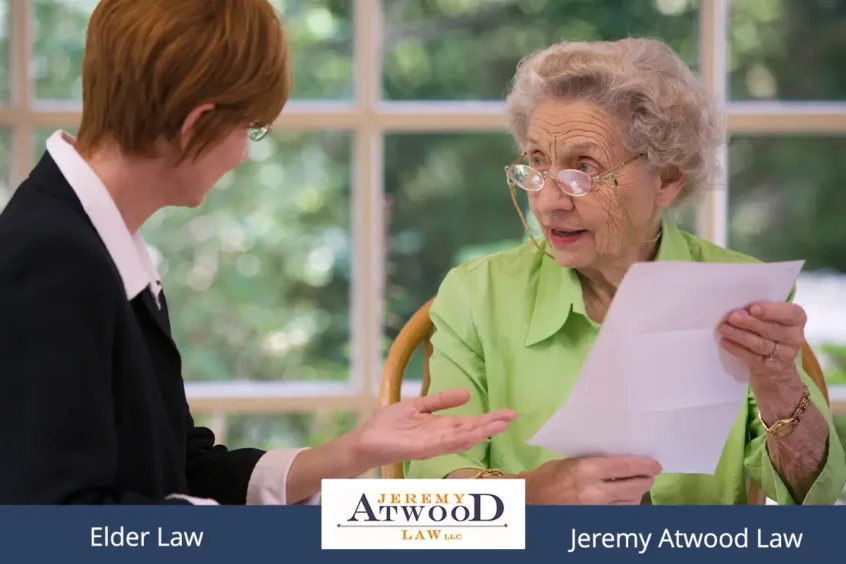
Utah’s population is getting older. In 1980, fewer than 8% of the Beehive state’s population was 65 or older – a number that grew to 12% by 2020. Utah might have to make a few social and structural changes to ensure older folks can get through their golden years comfortably.
One particular area that needs immediate attention is the elder law. It is a complex and growing field of law designed to help seniors navigate issues related to aging, from estate planning and long-term care to healthcare decision-making.
Unfortunately, there are many myths about elder law, especially in Utah, which can cause stress and prevent families from seeking help. Let’s debunk some of the most common myths to ensure you have the right information to protect yourself or your loved ones.
1. Myth: Elder Law is Only About Writing Wills
One of the most prevailing myths about elder law is that it is only about writing wills or other basic estate planning documents. While preparing these documents is an integral part of it, elder law encompasses a much broader range of legal services.
Elder law attorneys in Utah can help you with:
- Medicaid and Long-Term Care Planning: Navigating Medicaid’s rules and eligibility requirements can be daunting, but an elder law attorney can help protect your assets while ensuring you receive the care you need.
- Guardianships and Conservatorships: When a loved one is unable to manage their affairs due to cognitive impairment or other medical conditions, establishing guardianship or conservatorship may be necessary.
- Elder Abuse and Exploitation: Elder law lawyers can represent victims of elder abuse and help ensure justice and protection.
- Powers of Attorney and Health Care Directives: Elder law attorneys help you appoint trusted individuals to make important decisions if you become incapacitated.
2. Myth: Medicare Covers All Long-Term Care Costs
Another common belief is that Medicare will cover all long-term care expenses, but this is not true. Medicare primarily covers short-term stays in skilled nursing facilities and limited in-home care under specific conditions, such as after a hospital stay.
Long-term care, like staying in an assisted living facility or nursing home for an extended period, is typically paid out-of-pocket or through Medicaid. Medicaid is a state and federal program designed for individuals with limited/fixed income and assets.
Planning for long-term care involves meeting specific financial thresholds. An elder law attorney can help you navigate Medicaid eligibility requirements, protect assets, and develop a strategy for care that aligns with your goals.
3. Myth: I’ll Lose Everything If I Need Long-Term Care
The average cost of assisted living in Utah is $4,150 per month, which is a staggering 18.57% increase since the last report in 2021. This cost can be higher depending on your location and the level of care you need. However, an elder law attorney can help you plan your long-term care and lower the financial burden as much as possible.
Utah elder law attorneys are often skilled in techniques such as:
- Trusts: Irrevocable trusts can help you shield assets from being counted toward Medicaid eligibility.
- Spousal Protections: Medicaid planning for married couples offers special rules to protect a spouse from poverty if their partner enters a nursing home.
- Spend-Down Planning: Your elder law lawyer can provide guidance on how to spend assets appropriately to qualify for Medicaid without losing everything.
4. Myth: It’s Too Late to Plan for Medicaid Eligibility
Many Utah residents believe that if a loved one is already in a nursing home or requires imminent care, it is too late to qualify for Medicaid without exhausting all their assets. While Medicaid has a five-year “look-back” period for transfers of assets, there are legal strategies that can still help preserve a portion of your assets.
However, you have to work with a knowledgeable elder law attorney in Utah who can help you plan a strategy depending on your circumstances. They can help you mitigate the impact of the look-back period.
5. Myth: A Standard Power of Attorney Is Enough
Having a power of attorney (POA) is important, but not all POAs are created equal. Generic POAs may not address all the specific needs of your loved one, especially if Medicaid planning or asset transfers are required.
Additionally, some nursing homes and healthcare facilities in Utah may refuse such POAs. An elder law attorney can draft a comprehensive POA tailored to your unique circumstances, granting your agent the authority to handle complex legal and financial matters on your behalf.
6. Myth: Estate Planning and Elder Law Are the Same Thing
One more common myth about elder law is confusing it with estate planning. While estate planning and elder law overlap in some areas, they are two distinct areas of law. In Utah, estate planning focuses primarily on transferring your assets upon death and often involves wills, trusts, and probate issues.
Elder law goes beyond this and helps you address issues like incapacity planning, long-term care, Medicaid eligibility, elder abuse, and guardianship. Elder law attorneys in Utah prioritize the well-being of their clients and help them navigate legal and financial matters related to aging.
7. Myth: I Can Gift My Assets Away to Qualify for Medicaid
While gifting assets might seem like a straightforward way to qualify for Medicaid, it’s not that simple. Medicaid’s five-year “look-back” period penalizes individuals for certain asset transfers, and gifts shared during this period may lead to ineligibility. An elder law attorney can guide you through permissible transfers and strategies to minimize penalties.
8. Myth: I Don’t Need a Lawyer – I Can Do It Myself
With the wealth of information available online, it is tempting to think you can handle elder law matters yourself. However, Utah elder law involves complex regulations, frequently changing rules, and high stakes.
A small mistake can have serious financial consequences or affect your eligibility for Medicaid benefits. Elder law attorneys in Utah stay updated on state and federal regulations. Hiring a competent, reliable lawyer provides peace of mind and ensures your plans are legally sound.
Conclusion
Elder law is an invaluable resource for aging individuals and their families in Utah. Sadly, myths about elder law can lead to unnecessary stress, financial loss, and missed opportunities. Debunking these common misconceptions will help you make more informed decisions going forward. But, be sure to speak with an elder law attorney in Utah first.
Jeremy Atwood Law is here to help if you or your loved one needs help. Our elder law attorneys will make sure you spend your golden years as comfortably as possible. Contact us today to learn how we can help you.
